UV-C disinfection robots and medicine dispensers, built in Hyderabad.

Our UVRova robots have disinfected hospital ICUs, operating theatres and wards since 2020. We design every machine, wire it and assemble it in our own workshop, and we are now building robots that hand out medicine and tend shrimp ponds.

Explore UVRovaEmail us

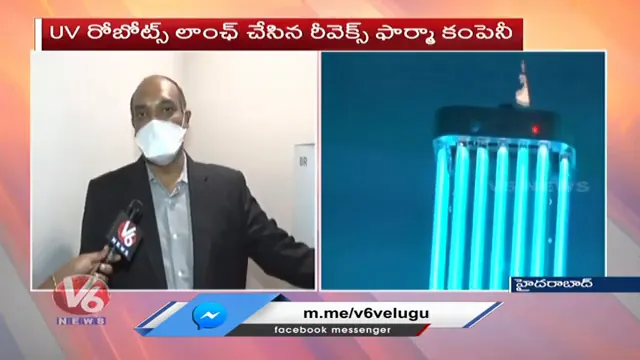
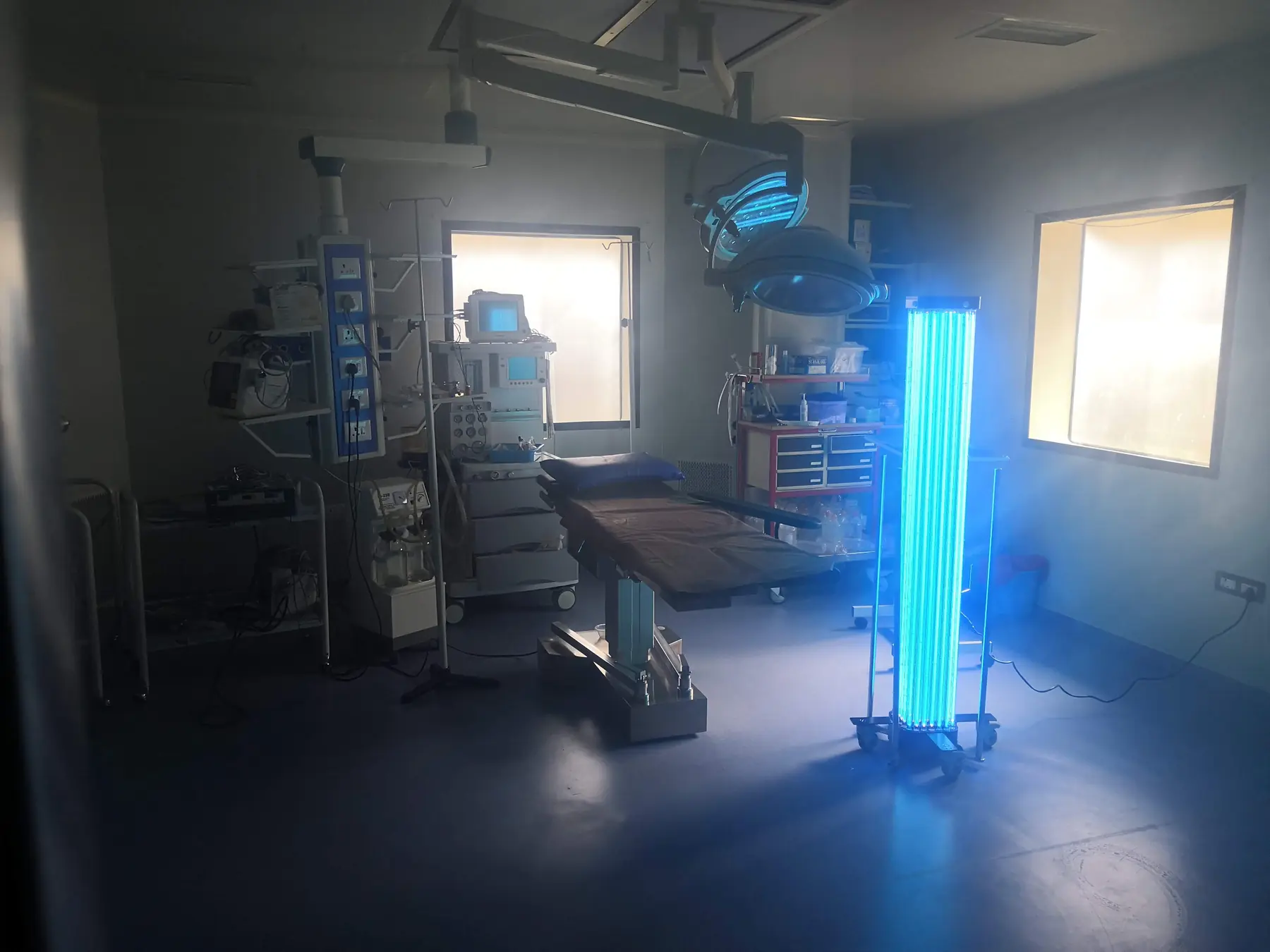
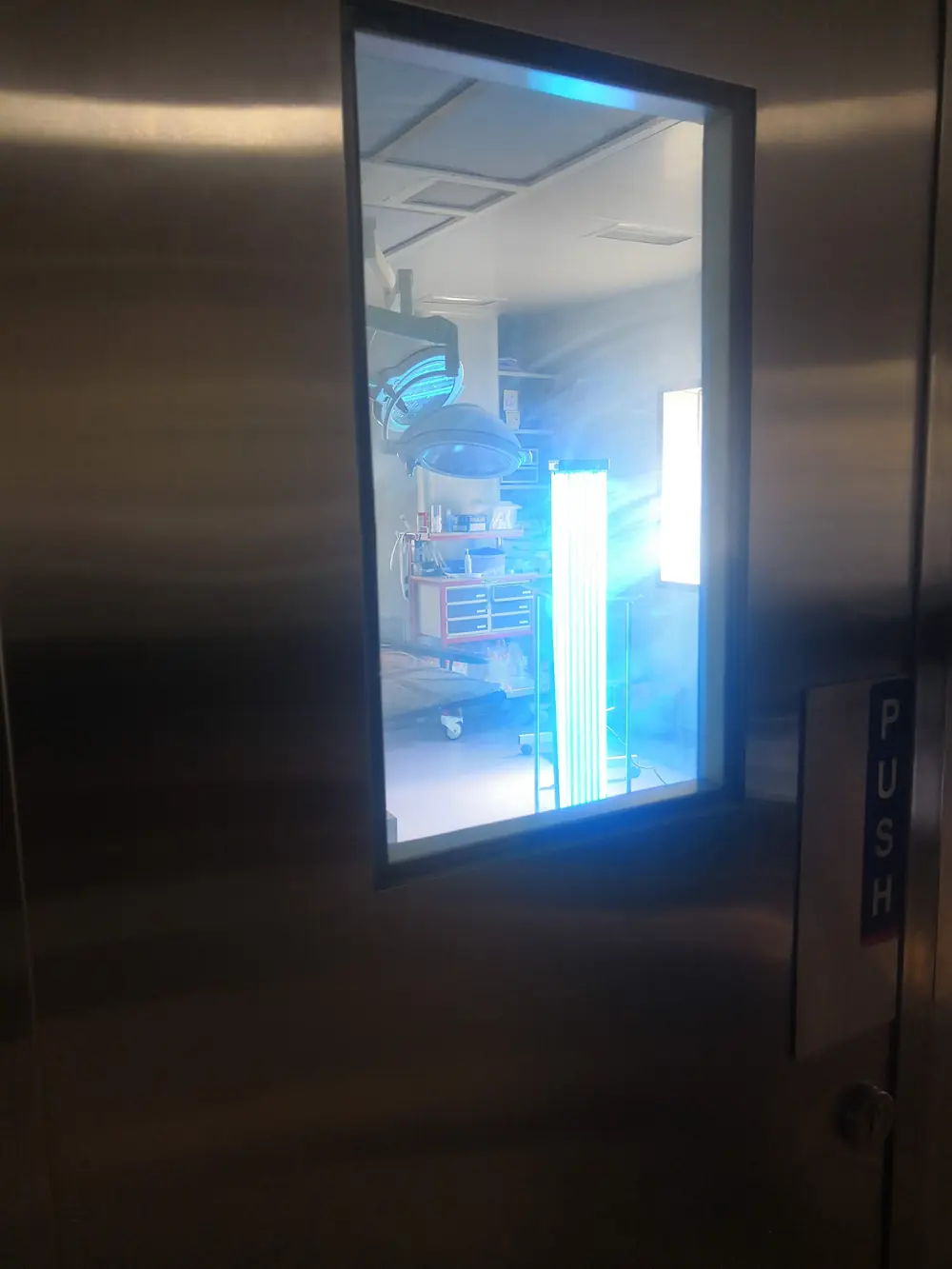
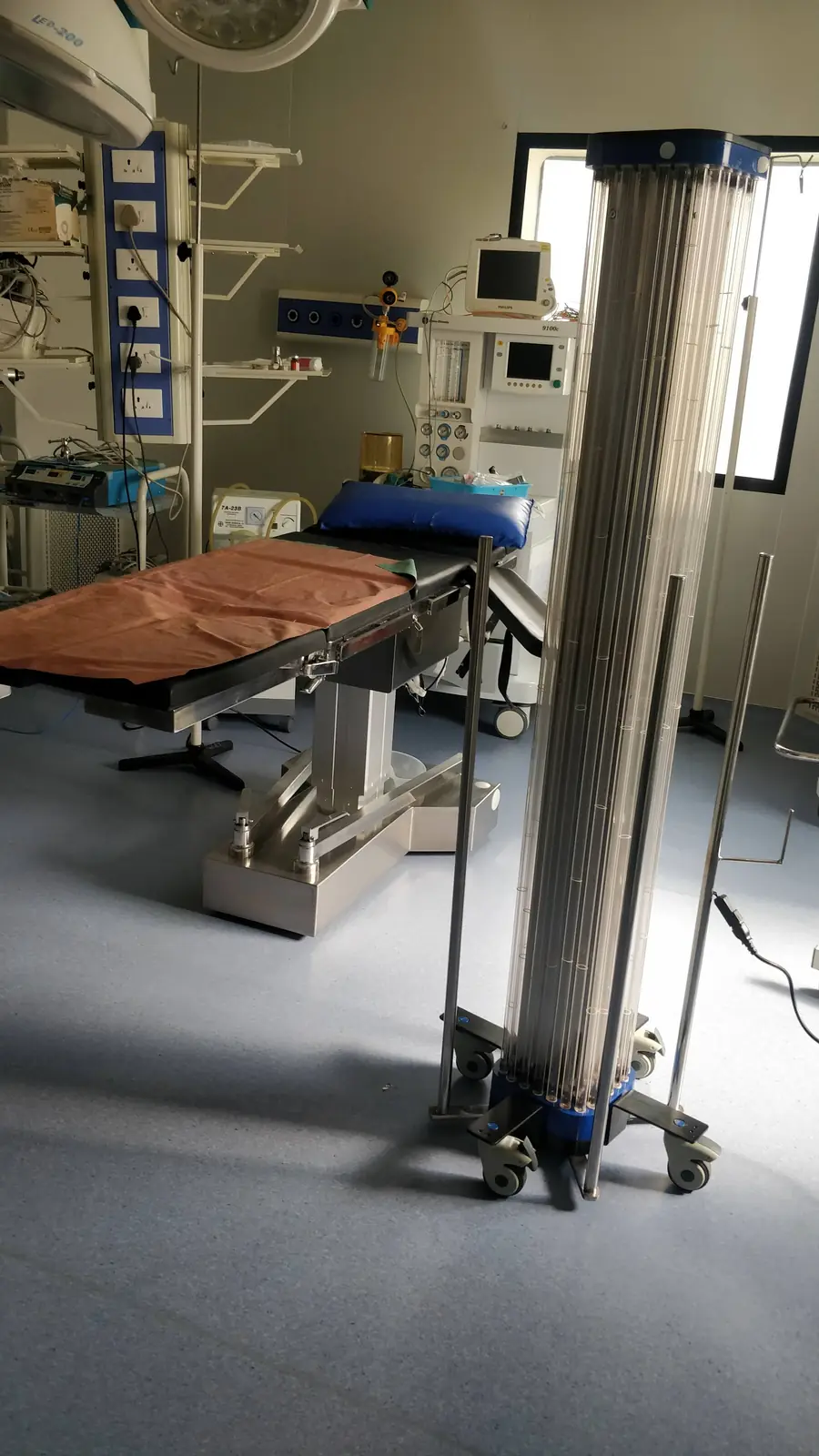
UVRova ST running in an operating theatre in Hyderabad. The blue glow is visible light from the lamps; the 254 nm UV-C itself cannot be seen.

Disinfection

UVRova

Chemical fumigation shuts a room for hours. UVRova adds a UV-C step after cleaning instead: staff wheel the robot in, leave, and press start. The 254 nm light breaks the DNA and RNA of bacteria and viruses on the surfaces it reaches, and leaves no residue, so the room is ready a few minutes after the lamps go off.

ST running in an operating theatre
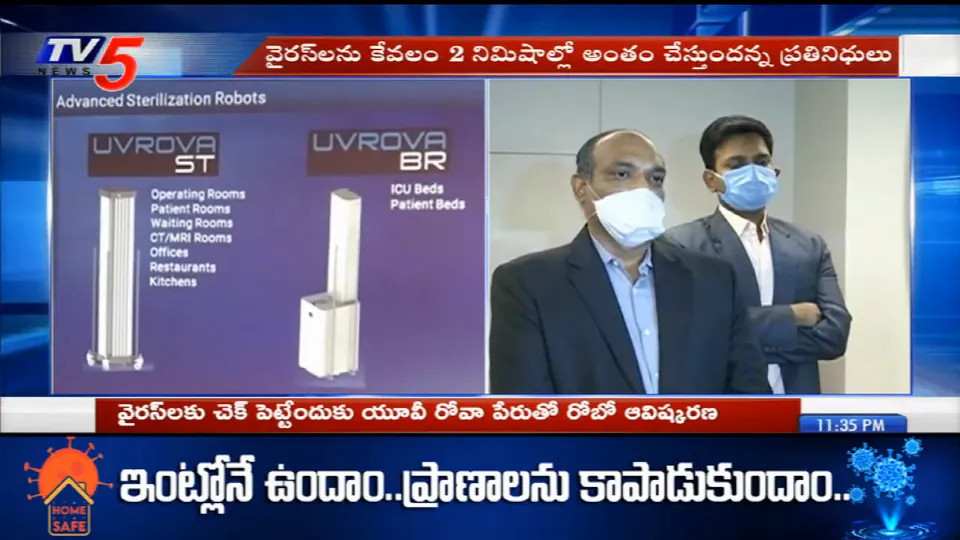
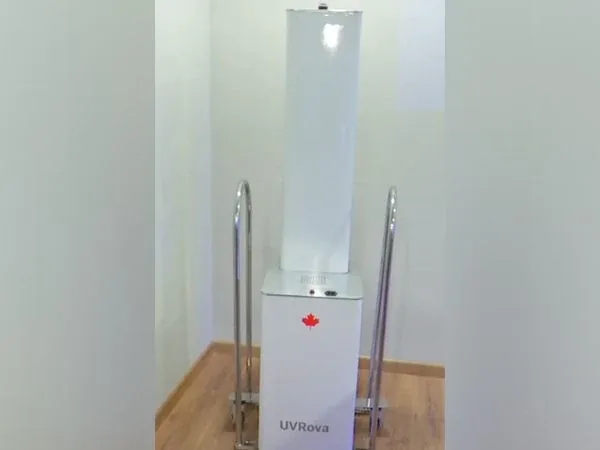
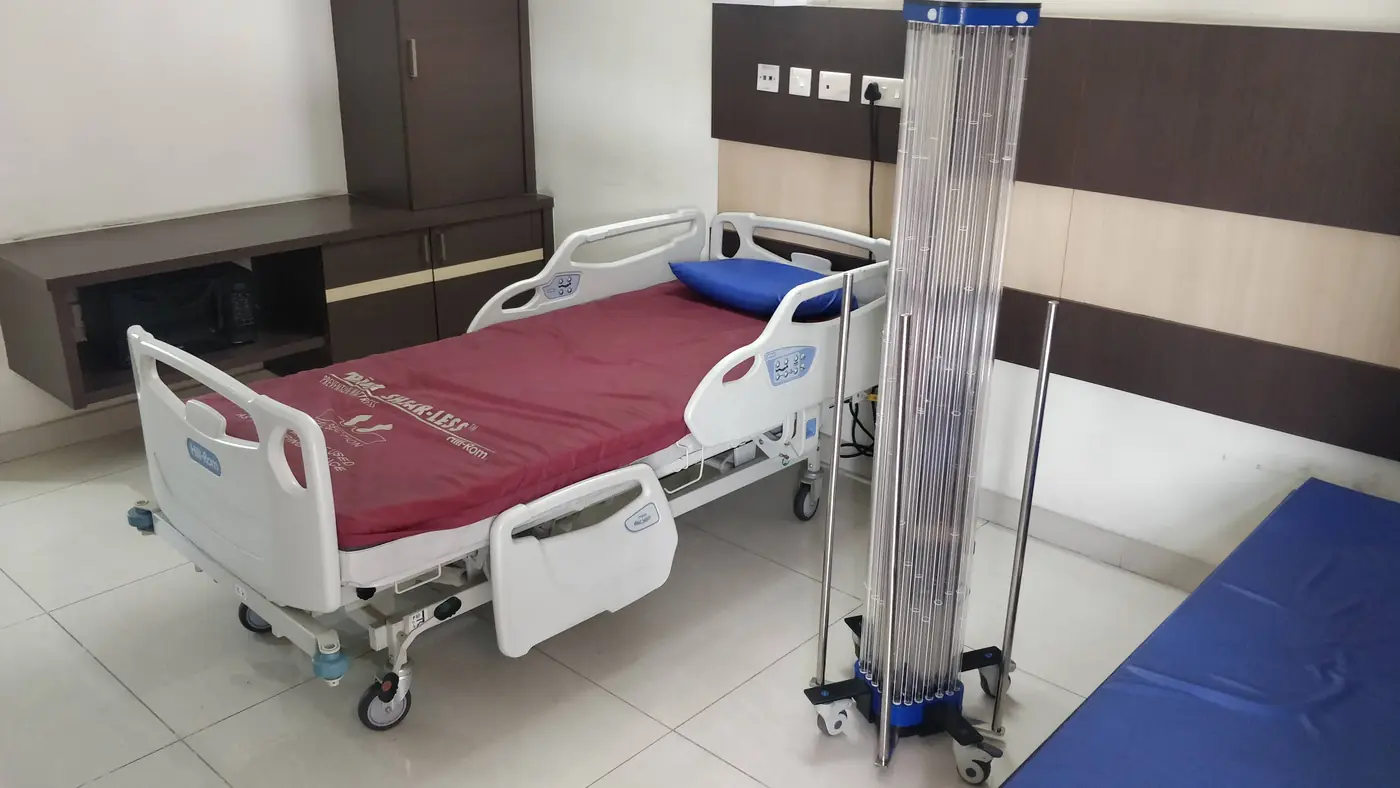
UVRova BR, a white cabinet on wheels with a tall lamp column
BR, the bed robot
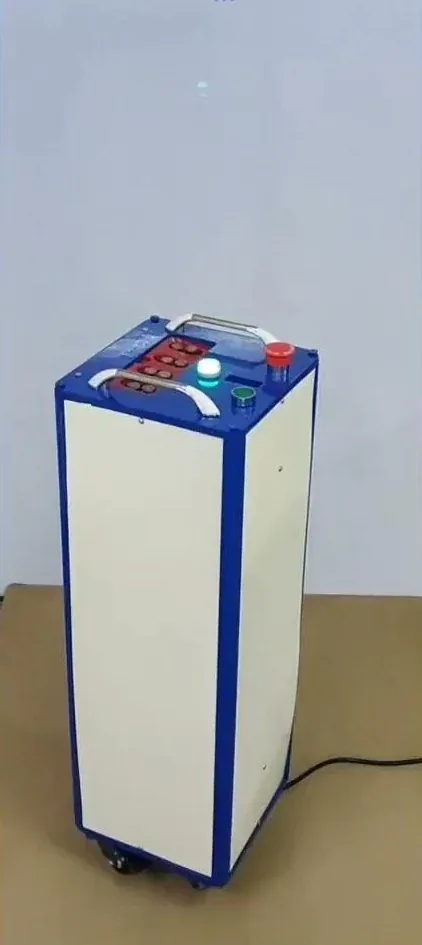
Genie, a blue and white cabinet with its lamp column folded away Play the demo
Genie demonstration, played at double speed

ST, the room robot

A column of high-output UV-C tubes on a wheeled base, lighting the room in every direction. Plug it in, press the button and walk out. Sensors watch for people and switch the lamps off within a second if anyone comes in.

Height
170 cm
Footprint
45 × 45 cm
Weight
50 kg
Lamps
254 nm UV-C tubes
Power
220 V mains
Run time
Button: 5 min short press, 10 min long press. Phone app: 5, 15 or 25 min
Safety
Presence sensing, lamps off in under 1 s

BR, the bed robot

Made for ICU beds between patients. A short press keeps it in one place beside the bed. A long press sends it on a loop around the bed so the light reaches both sides of the mattress and the rails.

Height
150 cm
Footprint
50 × 65 cm
Weight
40 kg
Stay in place
About 7 min, for tight spaces
Around the bed
About 5 min, when there is room to move
Power
Mains

Genie, the compact unit

A cordless cabinet for clinics, offices and small rooms. Press the green button and walk away: the lamp column rises 50 cm out of the cabinet in about ten seconds and folds back when the cycle ends.

Height
70 cm closed
Footprint
30 × 30 cm
Covers
About 100 sq ft
Cycle
About 3 min
Power
Battery
Lamps
Ozone-free 254 nm, with presence sensing

Where they went

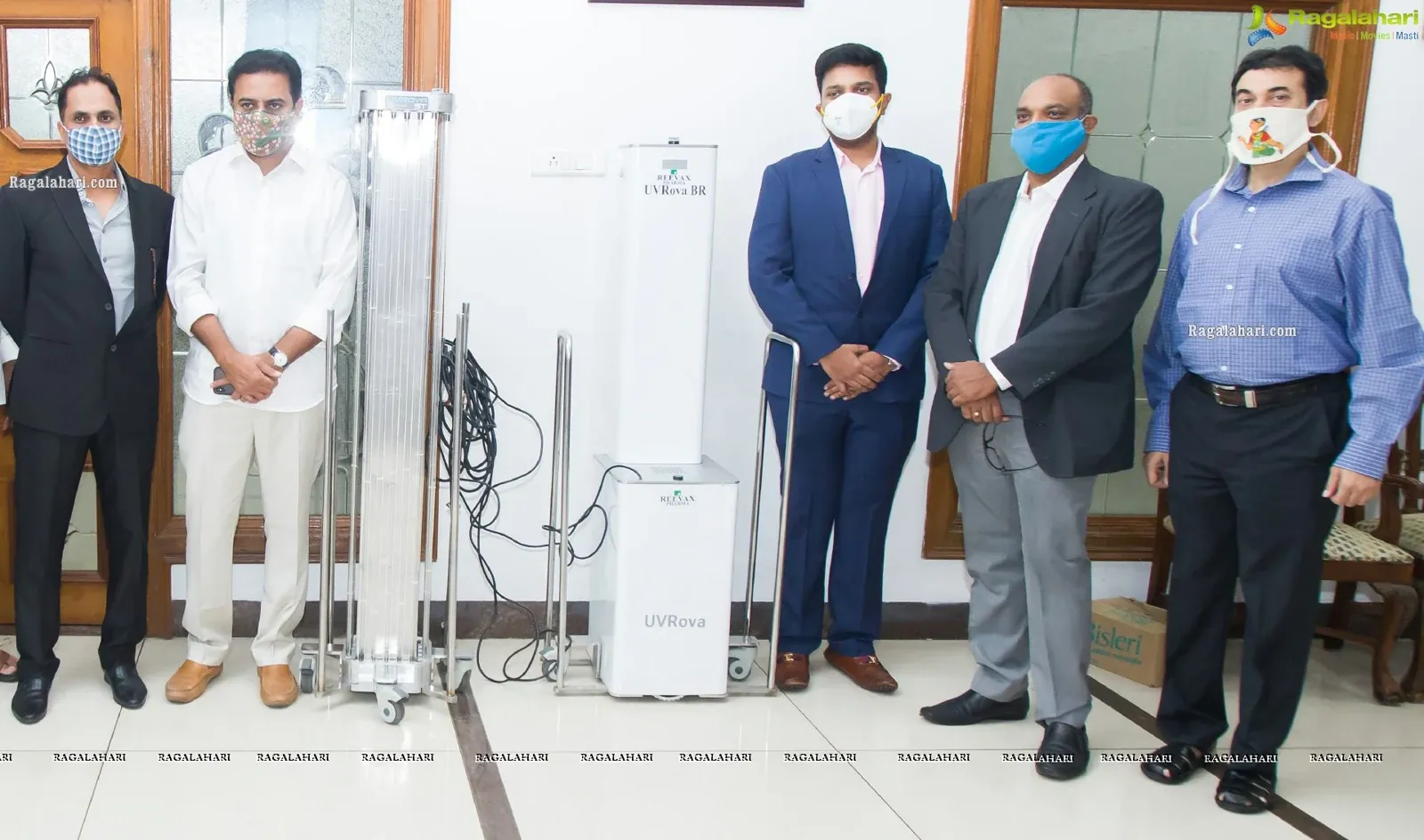
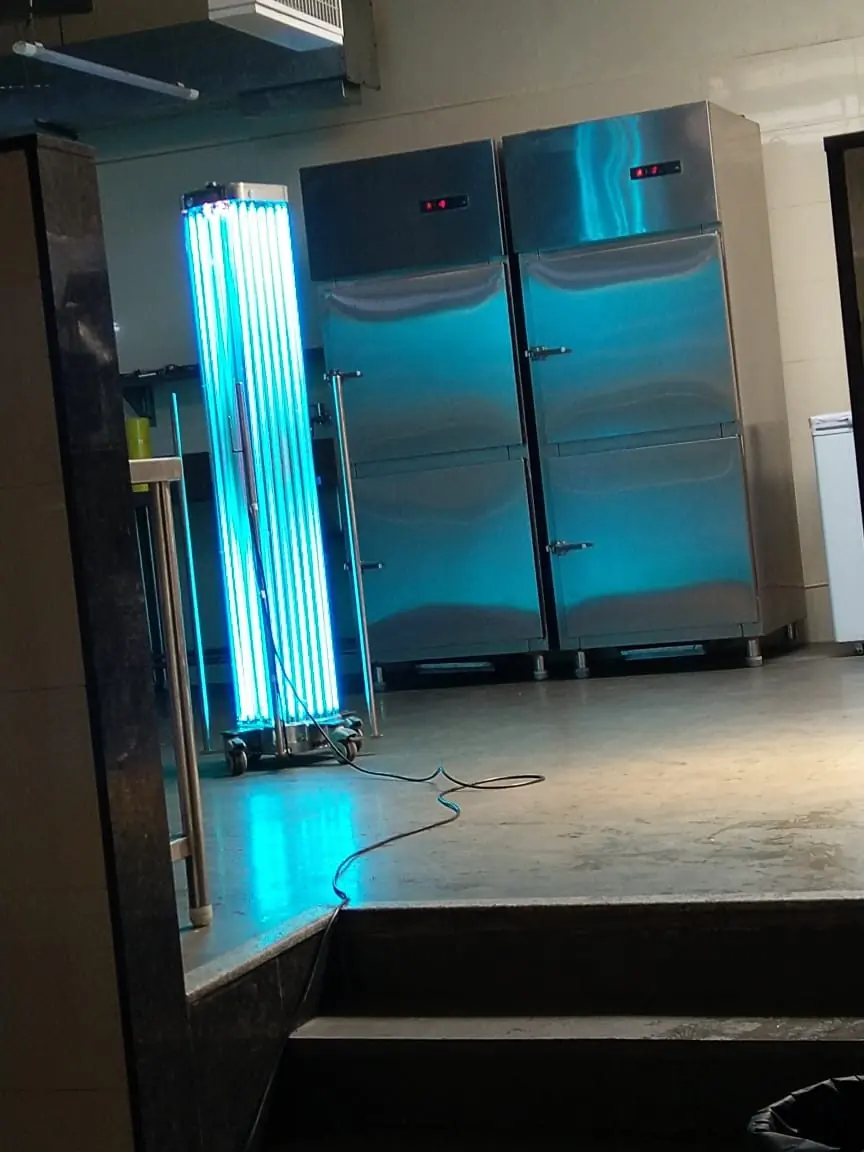
In July 2020 a UVRova BR was donated for the COVID-19 ICU at Gandhi Hospital, Telangana's main COVID-19 hospital, and handed over to the state's IT and Industries Minister, K. T. Rama Rao. Star, Virinchi and Medicare hospitals in Hyderabad used the robots too, along with dental clinics and commercial kitchens. In all, UVRova sales came to about ₹2 crore during the pandemic.

Test reports and certificates

Each result applies to the organisms, plates and exposure set out in that report. Dose falls with distance and shadowed surfaces get less, so results in a room depend on where the robot stands. UVRova is used only in empty rooms; UV-C harms skin and eyes.

Why it matters: out of every 100 patients in acute-care hospitals, 7 in high-income countries and 15 in low- and middle-income countries pick up at least one infection during their stay (WHO, 2022).

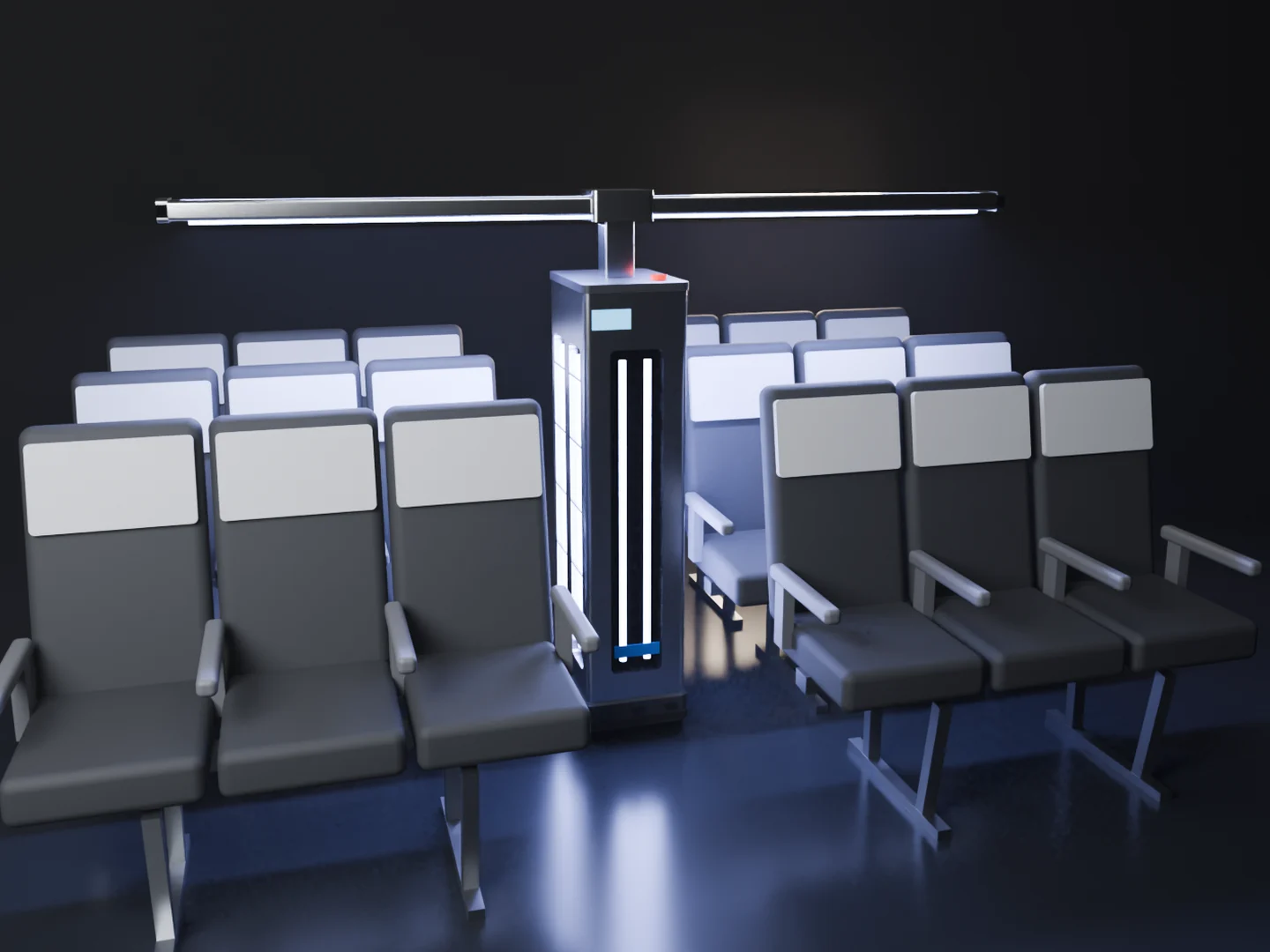
Rendering of AERO in an aircraft aisle, its T-shaped lamp boom spanning the seat rows on both sides Play the 8 second CAD animation
Rendering, and an animation of the detailed CAD model

Disinfection, next

AERO Design

UVRova made to drive itself down an aircraft aisle.

A T-shaped boom of UV-C lamps spans the seat blocks on both sides, so the light reaches seat tops and sides, armrests, overhead bins and the passenger service panels above the seats. One person starts it with a single button, and infrared sensors keep it in the aisle as it works the cabin row by row.

Model
UVAR-01
Target speed
One row every 10 s
Footprint
35 × 50 cm
Height
180 cm
Power
220 V AC, 10 A

Figures are design targets from the 2021 brochure.

Medication

Medicine on time, at home

For long-term illnesses, patients in developed countries take only about half of their medicine as prescribed, and fewer do elsewhere (WHO). AutoPill gives the right tablets at the right time and records that they were taken. AutoStore applies the same idea to a pharmacy's stock.

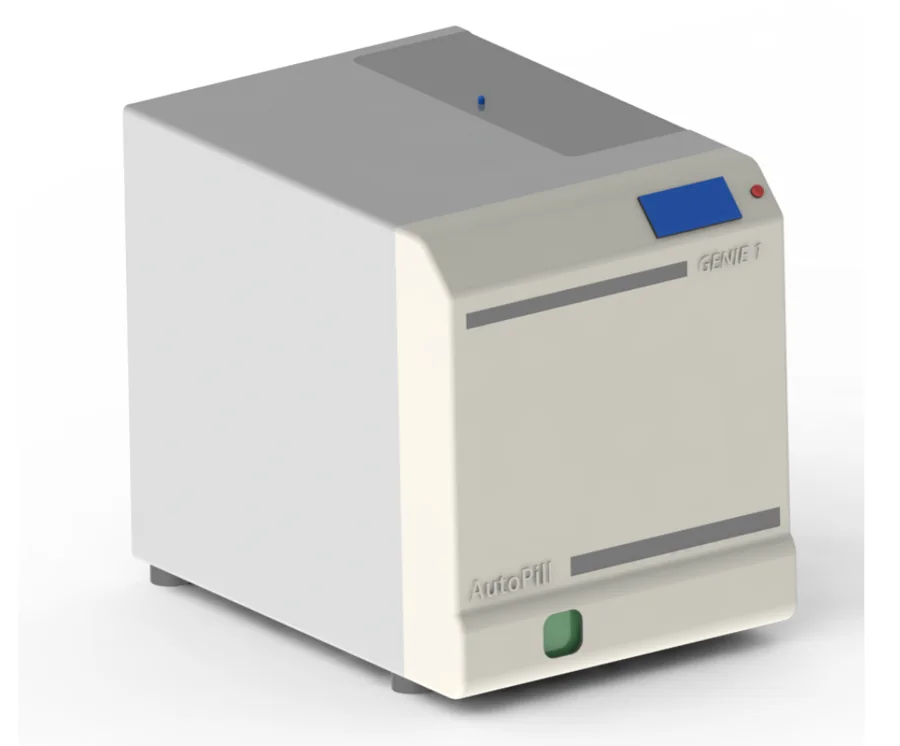
Rendering of the production AutoPill cabinet with a blue screen and a green button Watch the demo at 2× speed
Production cabinet rendering. The video shows the working prototype being loaded and dispensing tablets.

AutoPill Working prototype

A home pill dispenser that holds a month of medicine and reports every dose.

  1. The doctor's or carer's schedule is set on Central Control, a cloud server.
  2. At dose time, the cabinet sounds a buzzer.
  3. The patient presses the button and a cup with that dose comes out.
  4. A built-in SIM reports the dose to Central Control, which can also hold a dose back or move it.
Capacity
15 blister packs of 28, 420 tablets
Doses
Up to 15 different tablets or capsules a day, each at its own time
Refill
Lift the top flap and slide in a blister
Size
350 × 250 × 300 mm, 12 kg
Body
Aluminium, stainless steel and ABS
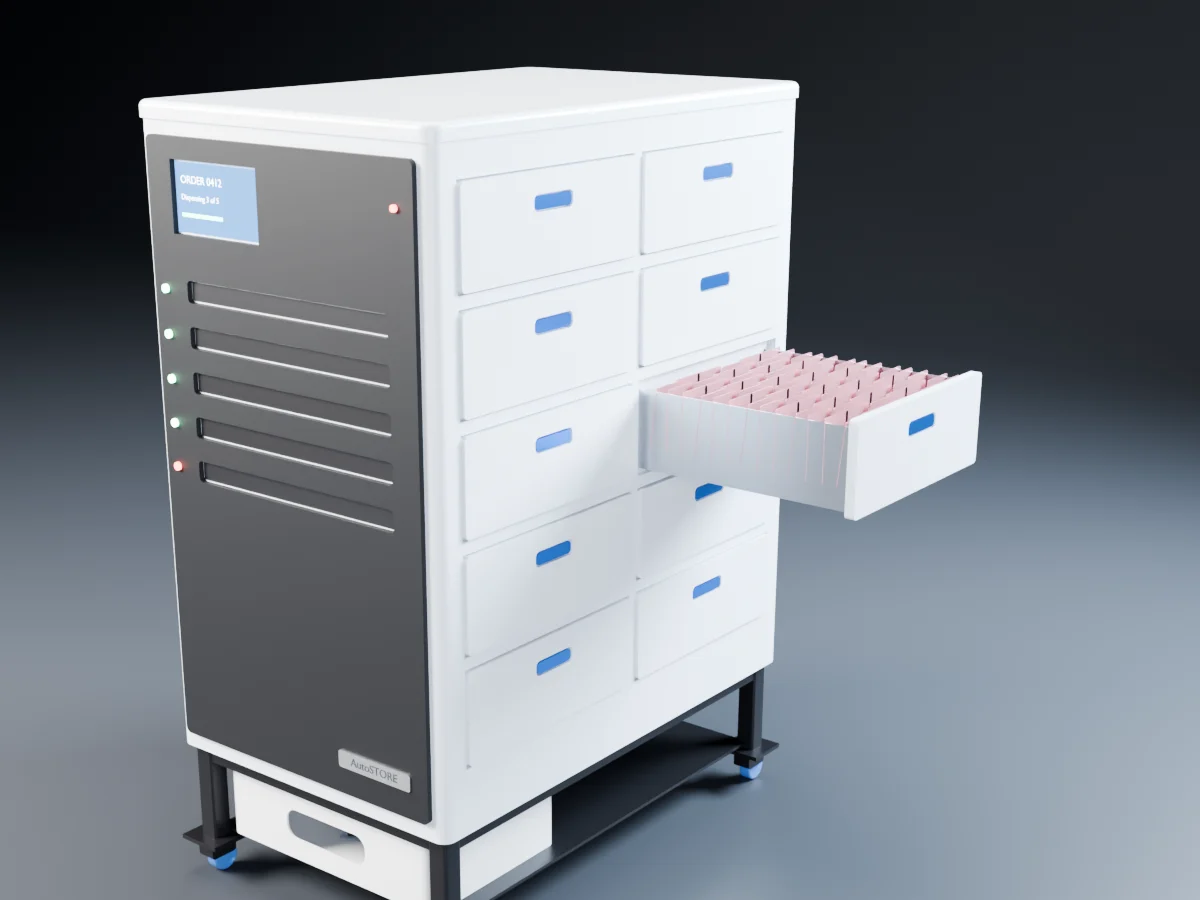
Rendering of an AutoStore cabinet with one drawer pulled out, full of blister packs
Rendering of one AutoStore pod

AutoStore Design

A robotic cabinet that stores blister packs by brand and pushes the right one into a tray when it is ordered.

Each pod is a cabinet of side drawers. Staff log new stock and its drawer from a phone app, and orders, stock levels and brands are run from one control centre on a phone or PC. One control system runs up to ten pods.

Brands
About 500 per pod
Stock
About 5,000 blister packs
Speed
About 5 packs a minute
Size
1.75 m high, 1.25 m long, 0.8 m deep, about 85 kg

Figures are design targets from the 2022 brochure.

On the drawing board

AutoPose

A floating robot designed to monitor shrimp pond water, aerate it when dissolved oxygen drops and dispense feed from an onboard hopper. Farmers would see readings and steer the robot from a phone.

Load carrier for army logistics

A semi-autonomous, all-terrain vehicle that follows a squad and carries 500 kg of its kit: rucksacks, water, food, ammunition, radios and battery chargers, or a stretcher when needed. Soldiers reach the objective fresh instead of worn out from the march. The idea follows the US Army's Small Multipurpose Equipment Transport programme.

Robotic chef kiosk

A fast food kiosk where robotic arms cook behind a shatter-proof window. Customers order and pay on a touch screen and collect from a delivery slot. A trained model watches each step and corrects the arms, cameras let a central office check the food, and a person stands by behind the kiosk.